Bed bugs seldom arrive with fanfare. They slip in on luggage, a used nightstand, the cuff of a visitor’s jacket. By the time most people notice bites, the population has often grown into the hundreds. I have walked into homes where a quiet two room issue became a whole house problem in six weeks. The lesson is brutal but clear: a precise, early bed bug inspection service is almost always cheaper than the cleanup after a full outbreak.
Why quick detection changes the math
Bed bugs breed faster than most households realize. A single fertilized female can lay 3 to 5 eggs per day and 200 to 500 eggs over her lifetime, depending on temperature and food availability. At typical room temperatures, eggs hatch in about a week, nymphs need five blood meals to mature, and a new generation of egg laying adults appears in roughly a month. That compounding curve turns one hitchhiker into a colony.
Costs mirror the curve. Early stage problems often resolve with focused bed bug treatment in one or two rooms, careful vacuuming, steam, and targeted applications by a professional bed bug exterminator. Once bugs spread to furniture seams, baseboards, wall voids, and belongings across several rooms, the work becomes slower, more disruptive, and more expensive. Property managers see the same pattern at scale: one untreated unit can seed adjacent apartments, hallways, and even laundry rooms. You can spend thousands fast.
A seasoned bed bug pest control service centers on inspection. You learn where bugs live, how far they have traveled, and which control strategies match the size and structure of the infestation. That clarity prevents wasting money on the wrong treatment.
What a thorough bed bug inspection includes
Real inspections are methodical, hands on, and unhurried. In a typical one bedroom apartment, we reserve 60 to 90 minutes for a complete survey. Larger homes take multiple hours. Rushing leads to missed harborages. A professional bed bug exterminator approaches inspection like a mapmaker, starting at the bed and moving outward.
We begin with a conversation. Bites, travel history, overnight guests, recent used furniture, and any sightings guide where we look first. We ask about sleeping spots besides the bed such as couches, recliners, children’s rooms, or a home office. We ask about cleaning routines and pest history. These details narrow the search area.
Next comes furniture breakdown. The mattress, box spring, and headboard get slow, close attention. We flip, stand, and disassemble as needed. Screw holes, fabric seams, labels, piping, and stapled dust covers hide nymphs and eggs. Sofas and recliners demand the same care, especially around metal frames, hinges, and zipper folds. We check nightstands, dressers, picture frames, curtain hems, and electrical outlets near sleeping areas. Bed bugs are flat for a reason. They slide into tight gaps where they feel body heat and carbon dioxide at night.
Good inspectors carry bright flashlights, thin pry tools, a crevice nozzle vacuum, and collection vials. Many use interceptors under bed and sofa legs to monitor new activity after the visit. Some teams bring trained dogs for canine scent detection, which can speed large-scale surveys. Dogs are valuable on hotel floors and office complexes, yet they still need visual confirmation before any bed bug extermination.
The goal is evidence, not guesses. We look for live insects, shed skins, eggs the size of a pinhead, and fecal spotting that looks like pepper dots or ink bleed on fabric. Clear photographs and labeled samples support the report. That report shapes the bed bug inspection and treatment plan.
Early signs most people miss
Homeowners often call only after weeks of bites. Bed bugs can feed without leaving a mark on some people, so bites are not a reliable early warning. A few subtle signs tip off an early problem. Use the short checklist below between professional visits.
- Light pepper specks on sheets, mattress seams, or the bed skirt that smear like ink when moistened Tiny off white eggs glued along a seam, zipper fold, or screw head near the bed Translucent shed skins the size of apple seeds near headboards or behind wall hangings A sweet, musty odor in heavily infested rooms, especially around cluttered beds Nighttime sightings of fast, flat bugs retreating when lights flip on, often near the mattress edge
If any of these show up, a local bed bug exterminator should confirm what you are seeing. Photos help, but professional eyes matter. False alarms are cheap. Delays are not.
How size and structure dictate the right treatment
There is no single “best bed bug exterminator” method for every building. I have used heat, steam, targeted insecticides, dusts, and structural fumigation in different contexts. The right choice depends on how widespread the infestation is, whether the space can handle heat or chemicals, budget, and the tolerance for disruption. Here is how the decision unfolds in practice.
Bed bug heat treatment works by raising room contents to lethal temperatures, usually around 135 to 145 degrees Fahrenheit, for several hours. Heat penetrates mattresses, sofas, and baseboards to kill eggs and all life stages. It is fast, often finished in one day. It can be a strong option for home bed bug treatment when bugs are spread across multiple rooms and there are no heat sensitive items left behind. The trade-offs: prep matters, sprinklers and electronics require planning, and the service can be pricier per visit. In many metro areas, you will see bed bug heat treatment near me listings for this reason. Ask about temperature monitoring and guarantees.
Bed bug chemical treatment relies on carefully applied insecticides and insect growth regulators, sometimes paired with steam. Pros use different formulations for different surfaces: non-repellent liquids on crevices, fine dusts in wall voids and outlet boxes, aerosols for seams, and desiccant dusts in hard-to-reach spots. When performed by a licensed bed bug exterminator, chemical programs can be affordable and effective, but they require follow-up visits at 10 to 14 day intervals to catch newly hatched nymphs. Success hinges on access to harborages and minimizing clutter.
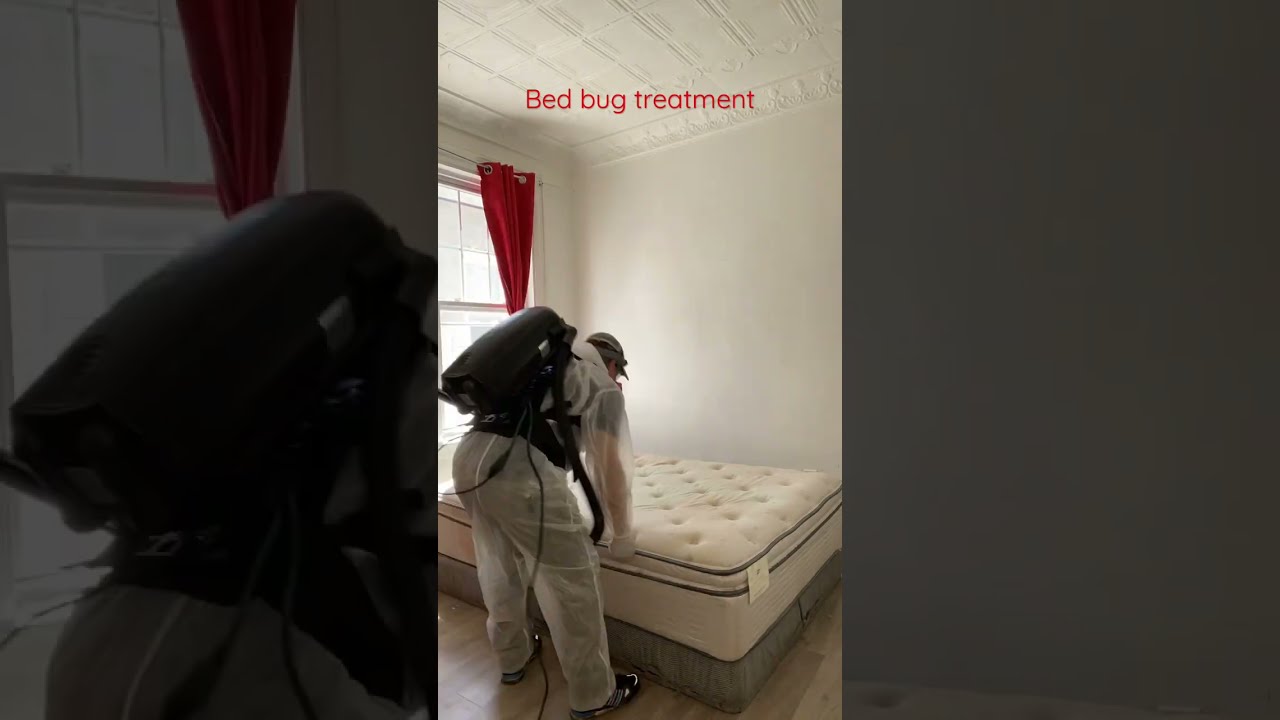
Bed bug fumigation targets contents or, less commonly, entire structures by introducing a gas such as sulfuryl fluoride that penetrates deeply and kills all stages. For multi-unit buildings where heat is impractical and bugs are entrenched in wall voids, fumigation can reset the clock. It is disruptive, requires strict safety protocols, and is not necessary for most residential jobs. If you see bed bug fumigation near me marketed aggressively, treat it as one tool, not a default option.
Some providers brand “green bed bug treatment” bed bug heat treatment or “non toxic bed bug extermination” around steam, vacuuming, encasements, and desiccant dusts that have no meaningful vapor or odor. This can be a smart path for nurseries, medical sensitivities, and office spaces that need safe bed bug removal without residues. It may take more labor and more follow-up, so discuss timelines and costs.
A real cost comparison from the field
Two adjacent condos illustrate how early inspection shapes budgets. Unit A called a bed bug removal company two days after returning from a business trip with a suspicious bite and a speckled bedsheet. Inspection found a half dozen live nymphs and a small clutch of eggs on the box spring. We performed targeted steam, applied a non-repellent around the bed frame and baseboards, installed interceptors, and encased the mattress and box spring. Two brief follow-ups over four weeks showed no activity. Total spend: under 900 dollars.
Unit B, across the hall, waited three months. They woke with bites for a week at a time, then nothing for a while, assumed mosquitoes, then sprayed store-bought aerosol on the mattress. By the time they called, bugs had moved into the living room sofa, a child’s trundle bed, and wall voids behind two baseboards. The building had shared piping chases, so we also inspected the unit below. That job required a bed bug treatment service across three rooms, careful dusting in outlets, steam on upholstered furniture, and two chemical follow-ups. Two mattresses replaced. Total spend: over 3,000 dollars, plus furniture costs and missed work.
The difference was not luck. It was timing and scope. A bed bug detection service is not a luxury. It is the diagnostic phase that saves money later.
What inspectors actually use and why it matters
The public sees a flashlight and a scraper. There is more to it. A bed bug extermination company equips its teams with crevice vacuums that pull eggs and fecal matter from seams, monitors that trap bugs moving toward a sleeper, encasements that remove complex hiding sites from mattresses and box springs, and fine tip applicators that place desiccant dust precisely where bugs travel. Modern LED lights reveal fecal spotting that halogen beams sometimes miss. Probes slip under carpet edges to check tack strips. These details add up. They also mark the difference between a bed bug removal provider and a generalist who dabs chemical along baseboards and leaves.
Canine teams remain valuable in hotels and large offices. A well trained dog can check a dozen rooms in the time it takes a human inspector to disassemble one bed. False positives happen, particularly around lingering scents after a prior infestation, which is why a reputable bed bug inspection service uses the dog to flag areas and a human to confirm.
Preparing your space for inspection without spreading bugs
A common mistake is deep cleaning before we arrive. People strip beds, bag clothes, and move furniture to the hallway, which can spread bugs to neighboring units and mask evidence. Minimal, targeted prep prevents that.
- Leave beds made and furniture in place so the inspector can read activity patterns Avoid moving items room to room or to common areas such as hallways and laundry rooms Bag only loose items on the floor near beds, then leave bags sealed until the inspector reviews them Clear under bed storage enough to allow access, but do not unpack stored items unless asked If you use interceptors or encasements, leave them in place for the inspection
Trust the process. The first visit should capture an accurate picture, not a staged one.
Single family homes, apartments, hotels, and offices have different risks
Residential bed bug exterminator work is often straightforward. The risk is clutter. Closets stuffed to the ceiling, under bed bins, and fabric-heavy rooms create a thousand hiding spots. Good technicians move slowly and build a room-by-room plan that eliminates those harborage options. For homeowners, encasements and interceptors are inexpensive upgrades that help both inspection and treatment over time.
Apartment bed bug exterminator jobs require coordination. If your building has shared wall voids, risers, or laundry access, bugs can migrate. A responsible bed bug control company will request permission to inspect adjacent units, at least above, below, and beside the active one. Property managers who authorize a bed bug pest control service for the whole stack save money versus chasing new outbreaks every month.
Hotel bed bug exterminator programs rely on proactive inspections. Housekeeping staff are trained to spot small signs during regular turns. Many hotels hire bed bug specialists for quarterly or monthly sweeps of high traffic floors, coupled with same day bed bug exterminator response when a room flags positive. Discretion matters. Fast bed bug extermination and a quiet, documented process protect both guests and brand reputation.
Office bed bug exterminator work is often about source tracing. Bugs hitchhike on backpacks, coats, and upholstered chairs. Once bugs settle into a row of desk chairs or a couch in a break room, discrete, after-hours treatment followed by monitor placement is the norm. Education helps. Staff should know that a bed bug inspection near me is confidential and not a moral judgment.
Treatment timelines, follow-ups, and guarantees
Even the best bed bug removal experts cannot promise that one visit will solve a well established infestation. Honest providers set expectations. For small, localized problems caught early, one comprehensive visit plus a two week follow-up often does it. For multi-room infestations, plan on two to four visits over four to six weeks. Interceptors stay in place for at least 30 days after the last treatment to verify success.
Ask about guarantees in writing. A reliable bed bug exterminator offers a warranty period that begins after the final service, often 30 to 60 days, with a re-treatment commitment if activity returns. Avoid vague “we’ll do our best” language. If you are comparing a cheap bed bug extermination offer to a higher bid, read the scope and warranty side by side. The least expensive number on paper can become the priciest path if it excludes follow-ups or limits treatments to one chemical application.
Safety, sensitivity, and green options
Many clients ask for eco friendly bed bug exterminator approaches. Safety is a valid concern in homes with infants, pets, respiratory conditions, or chemical sensitivities. Non toxic bed bug extermination methods center on heat, steam, vacuuming, encasements, and desiccant dusts that act mechanically rather than chemically. Properly applied, these achieve bed bug eradication without volatile odors or residues.
When insecticides are part of the plan, a certified bed bug exterminator selects EPA registered products at label rates, targeted to cracks and crevices, not broadcast over open surfaces. Rooms typically re-open after products dry, often within hours. Communication matters. Your provider should leave product names and safety sheets, and explain ventilation or re-entry times.
Why DIY alone rarely works
I have met determined do-it-yourselfers with shop vacs, diatomaceous earth, and a stack of internet tips. They mean well. Sometimes they slow the bugs’ growth, more often they drive bugs deeper into inaccessible voids or cause dispersal to new rooms. Over-application of dusts, especially, creates a barrier that bugs avoid while leaving talc-like film everywhere. Boiling water in a kettle, blasting a hair dryer at seams, and overusing aerosol foggers either do nothing or make things worse.
This is not a knock on homeowners. Bed bug control is detail work. A professional bed bug extermination company has the tools and habits built over thousands of rooms. If budget is tight, combine a professional bed bug detection service and plan with smart homeowner tasks: laundry on high heat, clutter reduction, encasements, and interceptors. Spend your effort where it counts.
" width="560" height="315" style="border: none;" allowfullscreen="" >
Choosing the right provider without getting sold to
Search results for bed bug exterminator near me can feel like a wall of claims: top rated bed bug exterminator, guaranteed bed bug removal, same day bed bug exterminator, licensed bed bug exterminator, certified bed bug exterminator. Cut through the noise by asking for specifics.
Ask how inspections are performed and how long they take. Ask whether they disassemble beds and sofas, check outlets, and place monitors. Request a sample report. Ask which bed bug treatment solutions they recommend for different scenarios and why. If they only offer one method regardless of scope, be cautious. Verify licensing and insurance. Request references, especially for commercial bed bug exterminator accounts if you manage multi-unit housing or a hotel. Compare warranties. And insist on a clear prep sheet that matches the chosen method.
It is reasonable to want an affordable bed bug exterminator. Price is part of the decision. Just remember the expensive part of bed bug control is often failure and rework, not the first invoice. A trusted bed bug exterminator will explain trade-offs and help you decide, not push a one-size-fits-all package.
What happens after a clean inspection
Not every call ends in treatment. Sometimes we find carpet beetles, fleas, or no active bed bugs at all. A good bed bug detection service explains the difference, provides photos, and leaves behind a monitoring plan. Interceptors under bed legs for 30 days give peace of mind. In offices and hotels, scheduled re-inspections become part of a bed bug management service that keeps small issues from escalating.
If you did have bed bugs and the follow-ups are clear, keep two habits for six months: minimize clutter where you sleep and travel smart. Luggage racks in hotels, dryer on high for 30 minutes after trips, and a quick look at used furniture seams are simple, zero cost habits that prevent new introductions. Many apartment communities now offer a bed bug sanitation service after heavy infestations to vacuum, steam, and wipe residues. It helps both comfort and compliance.
The economics of prevention for property managers
For owners and managers, bed bug pest management is a budget line either way. You choose whether it pays for inspection or for damage control. A quarterly bed bug inspection service across high risk units costs far less than emergency bed bug exterminator calls on five floors at once. Keep two metrics: time to first response and rate of re-infestation. Buildings with a formal bed bug pest control service see faster detection, fewer tenant moves, and lower legal risk. Many insurers now ask about bed bug control professionals in place for large portfolios.
I have seen a 200 unit building cut bed bug related costs by nearly half within a year by adopting routine canine sweeps on two floors per month, standard prep sheets in lease packets, and rapid same day bed bug exterminator access for any positive unit. Fewer discards in hallways, fewer neighbor disputes, fewer emergency fumigations. The math is consistent across markets.
Special situations and edge cases
Cluttered homes require empathy and a staged plan. You cannot treat what you cannot reach. A bed bug cleanup service that pairs organizing, laundry, and steam with professional applications can turn a chaotic situation into a solvable one. Hoarding cases take time and continuity. Choose providers with patience.
High rise buildings with central HVAC and shared chases demand coordination. Bugs use conduit gaps like highways. A bed bug control provider should dust voids along the vertical stack, not just inside infested units. Elevators, luggage carts, and trash rooms deserve attention.
Sensitive settings such as dialysis clinics, daycares, and shelters call for non intrusive methods, off hours scheduling, and close coaching of staff. A safe bed bug removal program that relies on encasements, steam, and desiccant dusts, plus strict intake screening for belongings, keeps operations running with minimal disruption.
What success feels like
After a proper bed bug extermination, nights get quiet. Sheets come up clean in the morning. Interceptors remain empty week after week. People stop sleeping on couches and return to their own beds. The anxiety lifts. That is the real outcome you pay for, and it starts with a precise, unhurried inspection.
Early detection is not fancy. It is practical. Whether you are a homeowner who wants a residential bed bug exterminator, a superintendent comparing bed bug control services, or a general manager looking for a hotel bed bug exterminator, put inspection first. The right bed bug removal solutions come into focus only after you know exactly what you are dealing with. That is how you avoid paying for square footage you do not need to treat, protect rooms that have not been invaded, and return to normal life faster.
If you suspect activity, do not declutter the evidence out of sight, and do not wait for a second wave of bites. Call a trusted bed bug removal professionals team, ask for a detailed bed bug inspection near me, and make sure the plan they propose reflects the size, layout, and realities of your space. Quick eyes today save thousands tomorrow.